
Asian Cuisine Glossary, Your Guide To Pan-Asian Food Terms
Asian food menus can introduce you to unfamiliar ingredients, cooking methods and dish names from many different culinary traditions. This Asian cuisine glossary explains commonly used Japanese, Korean, Chinese and wider Pan-Asian food terms in straightforward language, helping you understand what they mean and what you might expect when you see them on a menu.
Whether you are discovering sushi for the first time, wondering what gochujang tastes like or trying to understand the difference between bao, dumplings and wontons, use this page as an evergreen reference whenever you need it.
Learn more about the ideas and experience behind SUGI’s approach to Pan-Asian food.
How To Use This Asian Food Glossary
Asian cuisine covers an enormous range of regional traditions, ingredients and cooking styles. Japanese, Korean and Chinese cuisines are distinct from one another, and even within each country there are significant regional differences.
This glossary is therefore designed as an introduction, not as a suggestion that all Asian food belongs to one single culinary tradition.
Each entry explains:
- what the term means
- where it is most strongly associated
- what the dish, ingredient or technique usually involves
- what diners may expect in terms of texture, flavour or preparation
Food terminology can also change between regions, restaurants and modern fusion cooking, so the same word may occasionally be used in slightly different ways.
A To D Asian Cuisine Terms
Bao, Filled Steamed Buns
Bao is a broad term often used in English-language menus for Chinese-style steamed buns. Some are fully enclosed around a filling, while others are folded open and filled after cooking.
The word is sometimes used loosely outside China, so the style, dough and filling can differ considerably from one restaurant to another. Baozi are typically made using a leavened dough and can contain savoury or sweet fillings. Michelin distinguishes these from xiaolongbao, which use a different type of wrapper and are better understood as soup-filled dumplings.
Banchan, Korean Side Dishes
Banchan are the small side dishes served as part of a Korean meal.
Rather than being treated as separate starters, several banchan may be placed on the table alongside rice, soup and a main dish. They can include fermented vegetables, seasoned greens, pickles and other preparations.
Korea Tourism Organisation describes these side dishes as an important part of the traditional Korean table, where diners can combine different flavours and textures throughout the meal.
Bibimbap, Korean Mixed Rice
Bibimbap is a Korean rice dish served with assorted toppings that are mixed together before eating.
Typical components may include vegetables, meat, egg and gochujang, although recipes vary. The name is commonly associated with the act of mixing rice together with the accompanying ingredients.
Korea Tourism Organisation describes bibimbap as a dish that reflects the wider Korean tradition of combining different flavours within one meal.
Bulgogi, Korean Marinated Meat
Bulgogi is a Korean dish made with thinly sliced, seasoned meat, commonly beef.
The meat is usually marinated before cooking, often giving it a savoury and gently sweet flavour. Modern versions may be grilled or pan-fried, depending on the recipe and restaurant style.
Official Korean tourism guidance describes bulgogi as thinly sliced beef cooked after being marinated, with ingredients such as onions and pear sometimes used in the seasoning.
Donburi, Japanese Rice Bowls
Donburi refers both to a Japanese bowl and to a style of meal in which rice is served in a bowl with toppings.
Those toppings can include meat, seafood, egg or vegetables. You may also see shortened names ending in -don, such as katsudon or gyudon.
Japan National Tourism Organization describes donburi as a versatile comfort-food format built around rice and different toppings.
Dashi, Japanese Savoury Stock
Dashi is a foundational Japanese stock used to add depth and umami to dishes.
Traditional versions may be made using kombu seaweed, dried bonito or other ingredients naturally rich in savoury compounds. It appears in soups, sauces, noodle dishes and many forms of traditional Japanese cooking.
Japan’s official tourism guidance identifies dashi as an important source of umami within Japanese cuisine.
Dim Sum, Cantonese Small Dishes
Dim sum refers to a broad family of small dishes associated particularly with Cantonese food culture.
It can include dumplings, buns, rolls and other savoury or sweet preparations, many of which are steamed, fried or baked.
Dim sum is closely connected with yum cha, the Cantonese tradition of gathering over tea and small dishes. Michelin describes yum cha and dim sum as a longstanding part of Cantonese dining culture rather than simply a single type of food.
E To K Asian Cuisine Terms
Fermentation, Traditional Food Preservation
Fermentation is a process in which microorganisms transform ingredients over time.
Across Asian cuisines, fermentation is used to develop flavour, preserve food and create products ranging from sauces and pastes to vegetables.
Examples include Korean kimchi and gochujang, as well as Japanese miso and soy-based seasonings.
Fermented foods are particularly prominent in traditional Korean cuisine, including kimchi, ganjang, doenjang and gochujang.
Gimbap, Korean Rice Rolls
Gimbap, sometimes written kimbap, is a Korean dish made by rolling rice and assorted fillings in sheets of dried seaweed.
Common fillings vary widely and can include vegetables, egg and cooked proteins.
Although its rolled appearance can remind some diners of Japanese maki, gimbap belongs to its own Korean culinary tradition and should not simply be treated as another name for sushi.
Gochujang, Korean Chilli Paste
Gochujang is a Korean fermented chilli paste.
It typically combines chilli, grain, fermented soybean components and salt to create a flavour that can be spicy, savoury and subtly sweet.
It is widely used in Korean cooking, including marinades, sauces and dishes such as bibimbap. Official Korean tourism information describes gochujang as a traditional fermented condiment with sweet, salty and spicy characteristics.
Gyoza, Japanese Style Dumplings
Gyoza are Japanese dumplings, commonly filled with minced meat and vegetables.
They are often pan-fried so that one side develops a crisp surface while the rest of the wrapper remains softer.
Gyoza developed from Chinese dumpling traditions but have become a well-established part of Japanese food culture in their own right.
Izakaya, Japanese Casual Dining
An izakaya is a Japanese drinking and dining establishment where people typically order several smaller dishes to share alongside drinks.
The style is generally more informal than traditional fine dining and can feature foods such as grilled skewers, fried dishes, noodles and small plates.
Japan National Tourism Organization includes izakaya among the country’s familiar casual dining formats.
Katsu, Breaded Fried Cutlet
Katsu refers to a Japanese breaded and fried cutlet.
Tonkatsu is the well-known pork version, although chicken katsu and other variations are common. The coating is usually crisp, providing contrast with the meat inside.
Katsu can be served with rice, curry, shredded cabbage or incorporated into dishes such as katsudon.
Kimchi, Korean Fermented Vegetables
Kimchi is a family of Korean fermented vegetable dishes.
Cabbage may be the best-known base, but kimchi can also be made from radish, cucumber and other vegetables. Ingredients and preparation differ according to region, season and recipe.
Korea’s official sources describe kimchi as a central part of Korean food culture and note that there are numerous varieties.
Kombu, Japanese Edible Kelp
Kombu is a type of edible kelp widely used in Japanese cooking.
One of its best-known uses is in dashi, where it contributes savoury depth and umami.
It may also appear in broths, simmered dishes and other preparations.
L To R Asian Cuisine Terms
Maki, Rolled Japanese Sushi
Maki, or makizushi, is a style of sushi made by rolling vinegared rice together with fillings, often using nori seaweed.
The roll is normally sliced into individual pieces before serving.
Sushi does not simply mean raw fish. Japan National Tourism Organization explains that sushi is defined by specially prepared vinegared rice combined with toppings or fillings that can be raw or cooked.
Miso, Japanese Fermented Paste
Miso is a Japanese fermented seasoning paste, usually associated with soybeans and sometimes grains.
Different varieties vary considerably in colour, saltiness, sweetness and intensity.
Miso is widely used in soups, sauces, marinades and dressings and forms part of Japan’s longstanding fermented food tradition. Japan’s Ministry of Agriculture includes miso among the characteristic seasonings associated with washoku.
Nori, Dried Edible Seaweed
Nori is the thin dried seaweed commonly associated with sushi rolls.
It can be wrapped around maki, shaped around rice or used as a garnish.
A closely related Korean seaweed product is commonly called gim, although preparation and seasoning can differ.
Ramen, Japanese Noodle Soup
Ramen is a Japanese noodle dish usually built around wheat noodles served in a seasoned broth.
The broth, toppings and seasoning vary enormously between regions and styles.
Common variations may be associated with soy sauce, miso, salt-based seasoning or richer meat-based broths.
Ramen is now one of Japan’s most recognisable casual foods and is included by Japan’s official tourism organisation among the country’s popular culinary traditions.
S To Z Asian Cuisine Terms
Sashimi, Sliced Raw Ingredients
Sashimi generally refers to carefully sliced raw seafood or other ingredients served without sushi rice.
This is the key distinction between sashimi and sushi. Sushi is defined by seasoned vinegared rice, while sashimi does not require rice.
Sushi, Japanese Vinegared Rice
Sushi is a Japanese food centred around seasoned vinegared rice.
It may be served with seafood, vegetables, egg or other ingredients, and those ingredients may be raw or cooked.
For that reason, describing sushi simply as “raw fish” is inaccurate. Japan National Tourism Organization specifically distinguishes sushi by its vinegared rice and notes the many different forms it can take.
Tempura, Lightly Battered Food
Tempura is a Japanese cooking style in which ingredients are coated in batter and fried.
Vegetables and seafood are common choices. Good tempura is associated with a delicate, crisp coating rather than a heavy batter.
Tempura is recognised as one of the established forms of traditional Japanese cuisine.
Teriyaki, Glazed Japanese Cooking
Teriyaki describes a Japanese cooking approach involving a glossy, seasoned glaze.
The sauce is typically associated with a balance of savoury and sweet flavours. Outside Japan, the term is often used broadly for dishes finished with a sweet soy-based sauce.
Tteok, Korean Rice Cakes
Tteok refers to a broad family of Korean rice cakes.
They can be prepared in numerous ways, including steaming, boiling or frying, and may be savoury or sweet depending on the dish.
Korea Tourism Organisation describes tteok as an important traditional food made from rice or other grain powders and associated with celebrations as well as everyday eating.
Udon, Thick Japanese Noodles
Udon are thick Japanese wheat noodles.
They can be served hot in broth, chilled with dipping sauces or incorporated into stir-fried and other noodle dishes.
Their relatively thick shape gives them a soft but substantial texture compared with many thinner noodles.
Umami, Savoury Basic Taste
Umami is one of the five basic tastes, alongside sweetness, sourness, saltiness and bitterness.
It is often described as savoury depth or richness.
Ingredients associated with strong umami include seaweed, mushrooms, fermented foods and certain seafood products. Japan’s Ministry of Agriculture identifies umami as fundamental to Japanese food and particularly important in dashi.
Wonton, Chinese Filled Dumplings
Wontons are Chinese dumplings made with a thin wrapper surrounding a filling.
Recipes differ considerably by region. They may be boiled and served in broth, incorporated into noodle dishes or prepared in other ways.
Hong Kong-style wontons are particularly associated with shrimp and pork fillings served alongside noodles and broth.
Wok, High Heat Cookware
A wok is a rounded cooking vessel strongly associated with Chinese cooking and now used throughout many Asian kitchens.
Its shape makes it particularly useful for high-temperature cooking, tossing ingredients and controlling different heat zones.
Woks can be used for stir-frying, frying, steaming, braising and other techniques.
Xiaolongbao, Soup Filled Dumplings
Xiaolongbao are Chinese dumplings associated particularly with the Jiangnan region and Shanghai-style cooking.
They contain a filling that releases hot broth as it cooks, giving them their familiar “soup dumpling” character.
Despite sometimes being described as a type of bao in English, their wrapper and preparation differ from fluffy steamed baozi. Michelin’s Asian dumpling guide specifically distinguishes xiaolongbao from fermented-dough steamed buns.
Yakitori, Japanese Grilled Skewers
Yakitori refers to Japanese grilled chicken skewers.
Different cuts of chicken can be used, and the skewers may be seasoned simply with salt or glazed with a sauce.
Yakitori is a familiar part of casual Japanese dining and appears alongside other popular foods within Japan’s culinary landscape.
Yum Cha, Cantonese Tea Dining
Yum cha literally relates to drinking tea and refers to the Cantonese tradition of gathering over tea and dim sum.
It describes the dining occasion rather than a single dish.
Dim sum is the food commonly eaten during yum cha, while yum cha refers more broadly to the social meal and tea-drinking tradition.
Common Asian Cooking Methods & What They Mean
Many menu terms describe not a dish but the way the food is prepared.
Stir-frying cooks ingredients quickly over high heat while they are moved continuously around a wok or pan.
Steaming cooks food with steam rather than direct contact with boiling water. It is commonly used for dumplings, buns, vegetables, fish and rice-based dishes.
Deep-frying fully immerses food in hot oil, creating a crisp exterior. The method appears in dishes across many Asian cuisines, including tempura, fried chicken and modern fried sushi preparations.
Grilling exposes food to direct heat and can be used for skewers, marinated meats and vegetables.
Braising slowly cooks ingredients in liquid or sauce, helping tougher foods become tender while absorbing flavour.
Fermenting uses microbial activity over time to alter flavour, aroma and texture. Kimchi, miso and gochujang are familiar examples of fermented foods or seasonings.
Pickling preserves or flavours ingredients using salt, vinegar, brine or other methods. Pickled vegetables appear in numerous Asian cuisines.
These cooking techniques often overlap between countries, but the seasonings, ingredients and traditions surrounding them can be very different.
Understanding Common Sushi Terms
Sushi terminology can be confusing because different names refer to different shapes and serving styles.
Nigiri is hand-shaped sushi rice topped with another ingredient.
Maki is rolled sushi, normally sliced into rounds.
Temaki is hand-rolled sushi shaped into a cone.
Chirashi serves sushi rice in a bowl with ingredients arranged over the top.
Nori is the dried seaweed frequently used to wrap sushi.
Neta refers to the ingredient or topping paired with sushi rice.
Shari refers to the seasoned sushi rice.
Japan National Tourism Organization’s sushi guidance confirms that sushi can contain seafood, egg or vegetables and that toppings can be either cooked or raw.
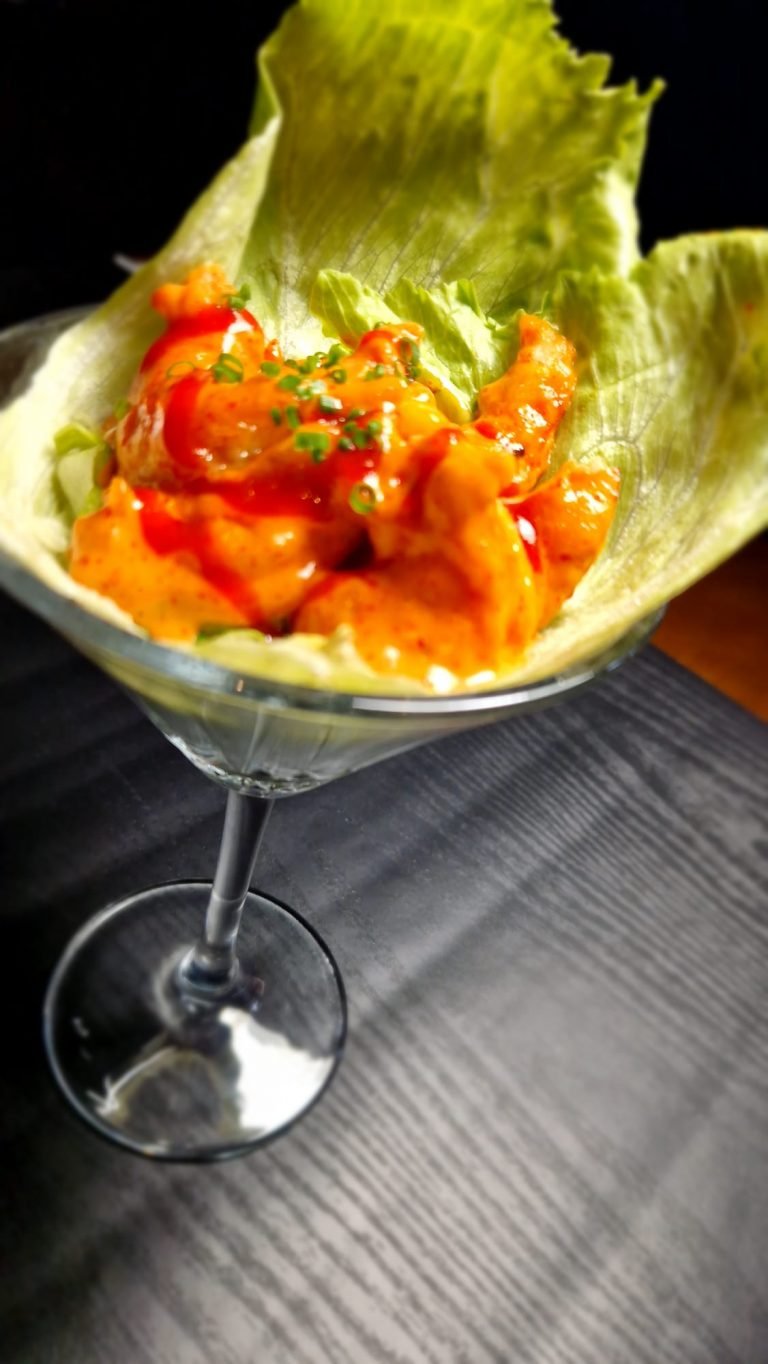
At SUGI, the focus includes cooked and deep-fried sushi-style dishes rather than traditional raw-fish sushi. If you would prefer food prepared for eating away from the restaurant, you can also explore takeaway & collection from SUGI.
Japanese, Korean & Chinese Cuisine Are Not The Same
The phrase Asian cuisine is useful as a broad category, but it covers many highly distinct culinary traditions.
Japanese cooking often places strong emphasis on seasonality, presentation, the natural qualities of ingredients and the use of dashi and umami. Traditional Japanese cuisine is known as washoku.
Korean cuisine makes extensive use of fermented foods and often brings rice, soup, main dishes and several banchan together within one meal. Kimchi, gochujang and other fermented seasonings are prominent examples.
Chinese cuisine is itself made up of numerous regional traditions. Cantonese dim sum, Sichuan cooking, Shanghai-style dumplings and northern noodle traditions, for example, should not be treated as one uniform style of cooking.
Pan-Asian and Asian fusion restaurants may take inspiration from several of these traditions, combining ingredients, techniques or presentation styles in new ways. That does not make the original cuisines interchangeable, which is why understanding where individual terms come from is useful.
Frequently Asked Questions About Asian Food Terms
What Does Pan-Asian Mean?
Pan-Asian generally describes food, menus or restaurants that draw inspiration from more than one Asian culinary tradition.
Rather than focusing exclusively on one country’s cuisine, a Pan-Asian menu may include or reinterpret influences from Japanese, Korean, Chinese and other Asian food cultures.
What Is Asian Fusion Food?
Asian fusion food combines techniques, ingredients or flavour ideas from different culinary traditions.
Fusion can happen between different Asian cuisines or between an Asian culinary tradition and food from another part of the world.
There is no single formula for fusion cooking. Its defining feature is the deliberate combination or reinterpretation of culinary influences.
Does Sushi Mean Raw Fish?
No. Sushi is primarily defined by its seasoned vinegared rice.
It can contain raw fish, cooked seafood, vegetables, egg and many other ingredients. Sashimi is the term more closely associated with sliced raw seafood served without sushi rice.
Are Bao & Dumplings Different?
Usually, yes, although English-language menus sometimes use the terminology loosely.
Baozi traditionally use a soft, leavened dough, while many Chinese dumplings use thinner unleavened wrappers.
Xiaolongbao are a particularly important example because despite containing the word bao, their thin wrapper and soup-filled preparation make them much closer to dumplings than fluffy steamed buns.
Is All Korean Food Spicy?
No.
Chilli is important in many Korean foods, but Korean cuisine also contains mild, savoury, sweet, fermented and delicate dishes.
Bulgogi, for example, is commonly associated with a sweet and savoury marinade rather than intense chilli heat.
What Does Umami Taste Like?
Umami is usually described as a deep savoury taste.
It is present naturally in foods such as mushrooms, seaweed, tomatoes, fermented products and some seafood. In Japanese cooking, dashi is one of the clearest examples of how umami can build depth without relying on heavy seasoning.
What Is The Difference Between Dim Sum & Yum Cha?
Dim sum refers to the small dishes.
Yum cha refers to the Cantonese tradition of gathering to drink tea while eating dim sum.
The two are closely connected, but they do not mean exactly the same thing.
Learn More About Asian Food & Dining
Understanding Asian food terms can make trying new dishes feel more familiar and enjoyable. Use this glossary as a simple reference whenever you come across an ingredient, dish or cooking term you would like to understand better.
Explore The SUGI Dine-In Experience